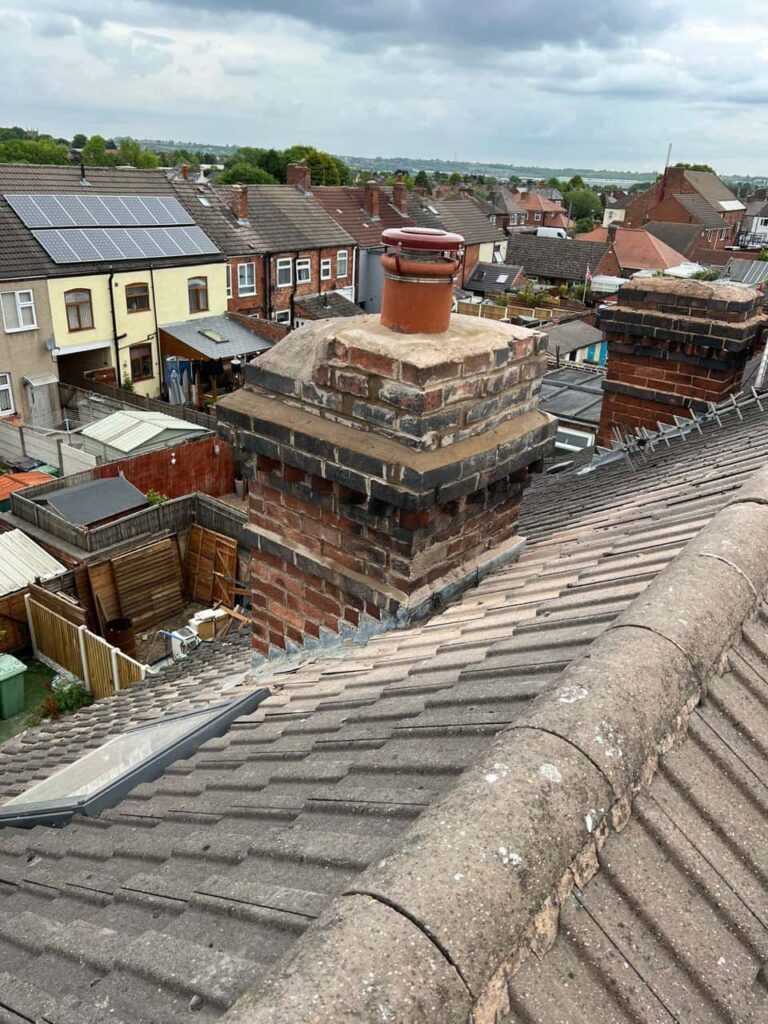
Roof tiles do not need to fall completely from a roof before there is a problem worth investigating. If several tiles have visibly shifted, lifted or moved out of alignment, the roof covering is no longer sitting exactly as it was designed to.
It can be tempting to leave shifted tiles alone when they are still attached and there are no obvious signs of water entering the property. However, correctly positioned tiles rely on suitable overlap, secure fixings and support from the surrounding roof covering. Movement can compromise these relationships and leave parts of the roof more exposed to wind and rain.
For homeowners in Biggin Hill, South East London, having several shifted tiles professionally assessed can establish why they have moved and whether the problem is confined to those individual tiles or indicates a wider issue. Biggin Hill Roofing Repairs can inspect the affected section and determine what repair work is genuinely required.
Why Does Tile Position Matter?
A tiled roof works as a complete overlapping system.
Each tile is positioned so that rainwater can travel down the roof and away from the property without easily reaching the materials underneath. When tiles shift, the intended overlap between individual units can be reduced.
Even when a tile remains on the roof, movement may create:
- Wider gaps between tiles
- Reduced overlap
- Exposed underlying materials
- Greater vulnerability to wind-driven rain
- Increased movement during poor weather
- Pressure or instability around neighbouring tiles
This means a shifted tile should not be considered secure simply because it has not fallen.
What Can Cause Several Roof Tiles to Move?
One displaced tile can sometimes be an isolated defect. Several tiles moving within the same period deserve closer investigation.
The cause may involve the individual tiles, their fixings or the condition of the surrounding roof.
Possible reasons include:
- Strong winds
- Ageing fixings
- Deterioration of supporting materials
- Cracked or damaged tiles
- Previous movement within the covering
- Problems affecting a particular roof section
- General deterioration as the roof ages
Finding the cause is important because repositioning the visible tiles without addressing the reason for the movement may result in the same problem returning.
No Missing Tiles Does Not Mean There Is No Problem
A roof can look reasonably complete from ground level even when several tiles have moved.
The most obvious roofing defects tend to be completely missing tiles because they leave visible gaps. Shifted tiles can be less noticeable, particularly if they have moved only slightly.
However, a small amount of movement can still affect the protective arrangement of the roof covering.
The key question is therefore not whether the tiles are still present. It is whether they remain correctly positioned and securely fixed.
Could Rain Get Beneath Shifted Tiles?
Potentially, yes.
Tiles are intended to direct water across their surfaces and down the roof. If movement has altered their overlap, rain may have a greater opportunity to reach beneath the covering.
Wind-driven rain can be particularly relevant because it does not necessarily travel vertically down the roof in the same way as ordinary rainfall.
Water reaching beneath a tile does not automatically mean that an internal leak will appear immediately. Other roofing materials may provide additional protection.
However, those underlying materials should not be expected to compensate indefinitely for a defective outer covering.
Why Might You Not Notice a Leak Indoors?
One reason homeowners sometimes delay dealing with shifted tiles is that everything inside the property remains dry.
Unfortunately, internal symptoms do not always appear immediately.
Water can sometimes enter the roofing system and travel along underlying materials before becoming visible elsewhere. In other cases, the exposed section may simply not have encountered weather conditions severe enough to produce obvious water ingress yet.
Waiting for a ceiling stain before addressing visible tile movement can therefore allow an existing weakness to remain exposed unnecessarily.
Several Shifted Tiles Could Indicate a Wider Problem
The number and distribution of affected tiles can provide useful information.
If one tile has moved while everything surrounding it remains secure, the defect may be straightforward and localised.
If several tiles have shifted within the same section, there may be an underlying reason affecting that area.
A Professional Roofer Should Check:
- The affected tiles
- Tile fixings
- Adjacent roof coverings
- Supporting materials
- The amount of remaining overlap
- Signs of previous movement
- Nearby damaged or cracked tiles
- The general condition of the roof section
This helps ensure that the repair addresses the cause rather than simply improving the roof’s appearance.
Could the Tiles Move Further?
A tile that has already shifted may be less secure than one sitting correctly in its intended position.
Further exposure to wind and weather could cause additional movement.
A tile that is slightly displaced today may eventually slide further, lift or become completely detached.
Additional movement can also increase the size of any exposed area beneath the covering.
Addressing the problem while the tiles remain in place can therefore prevent a relatively manageable defect from becoming more significant.
What About the Surrounding Tiles?
When several tiles have moved, neighbouring tiles should not automatically be assumed to be unaffected.
The same conditions that caused the visible movement may also have weakened adjacent sections.
A professional inspection can identify tiles that are beginning to loosen even if they have not yet shifted enough to be obvious from ground level.
This is particularly useful where movement appears concentrated on one roof slope or around a specific section.
Shifted Tiles Can Be a Sign of Ageing Fixings
Tiles may remain in good visual condition while their method of attachment becomes less dependable.
If fixings deteriorate over time, tiles can gradually become more vulnerable to movement.
This is one reason simply looking at the surface condition of a tile does not always reveal the complete problem.
Where several apparently sound tiles are moving, the way they are being held in position deserves attention.
Should You Try to Push the Tiles Back Yourself?
A shifted tile can sometimes look as though it simply needs pushing back into place.
However, this does not establish why it moved.
If a fixing has failed, the tile is damaged or the supporting area has deteriorated, repositioning it without correcting the underlying defect may provide only a temporary improvement.
Roof-level work also requires appropriate access and safe working methods.
Professional repair allows the tiles to be inspected, correctly repositioned or replaced where necessary, and appropriately secured.
Does Tile Movement Mean You Need a New Roof?
Not necessarily.
Several shifted tiles do not automatically indicate that the entire roofing system requires replacement.
If the problem is confined to one section and the surrounding roof remains in good condition, targeted repair work may be entirely appropriate.
Replacement becomes a more relevant consideration when tile movement forms part of widespread deterioration across the roof.
Signs That Deserve a Wider Assessment Include:
- Tiles repeatedly moving in different locations
- Numerous cracked or deteriorated tiles
- Recurring water ingress
- Multiple previous repair areas
- Problems affecting several roof slopes
- General deterioration of the roof covering
- Several different roof components requiring attention
The decision should be based on the overall condition of the roof rather than the fact that several tiles have shifted.
Why Early Roof Repairs Can Be Beneficial
The ideal time to address tile movement is while the problem remains manageable.
If the affected tiles can be secured and the underlying cause corrected before further movement occurs, the repair may remain concentrated on a relatively limited area.
Leaving the problem exposed can allow weather to place additional pressure on already vulnerable tiles.
Early attention can help:
- Restore the correct tile arrangement
- Reinstate appropriate overlap
- Protect underlying roofing materials
- Prevent further movement
- Identify weakened neighbouring tiles
- Address defective fixings
- Reduce the likelihood of the affected area deteriorating further
The purpose is not to carry out unnecessary work. It is to prevent an identifiable weakness from becoming a larger roofing problem.
What If the Tiles Shifted After Strong Winds?
If tile movement becomes noticeable following particularly windy conditions, the roof should still be assessed even if none of the tiles have fallen.
Wind can lift or displace tiles without completely removing them.
Once the weather improves, the tiles may appear to have survived successfully while actually sitting differently from their original positions.
An inspection can determine whether the tiles remain secure and whether other areas have also been disturbed.
Look at the Pattern, Not Just Individual Tiles
When several tiles are involved, the pattern of movement matters.
A small cluster may point towards a localised issue with that particular section. Movement scattered across a much larger area can suggest more general deterioration.
Understanding the pattern helps determine the appropriate scale of repair.
This is more useful than simply replacing or repositioning whichever tiles are easiest to see from the ground.
Why Professional Assessment Matters
Roofing problems can be difficult to judge accurately from outside the property.
What appears to be minor tile movement may be straightforward, but it could also be the visible sign of deterioration affecting fixings or surrounding materials.
Professional assessment allows the condition of the complete affected section to be considered.
If only a small repair is needed, it can be dealt with accordingly. If wider deterioration is identified, homeowners can make informed decisions based on the actual roof condition rather than waiting for additional problems to develop.
Professional Roof Tile Repairs in Biggin Hill
For homeowners in Biggin Hill, South East London, Biggin Hill Roofing Repairs can assess shifted, slipped and damaged roof tiles to determine why movement has occurred.
Where the problem remains localised, appropriate repairs can restore the tile covering without unnecessary work elsewhere.
Where several tiles have moved because of a wider issue, the surrounding roof can be assessed so that the underlying cause is addressed rather than repeatedly repairing individual symptoms.
Conclusion
Several shifted roof tiles should not be ignored simply because none of them have fallen.
Tiles need to remain correctly positioned and securely fixed to maintain the intended overlap of the roof covering. Once movement occurs, gaps can develop, underlying materials may become more exposed and further wind or rain can potentially worsen the problem.
In many cases, shifted tiles can still be dealt with through targeted roof repairs, particularly when the surrounding roof remains sound. The important step is identifying why the tiles moved and checking whether neighbouring areas are also affected.
If you have noticed several tiles out of position on your property in Biggin Hill, South East London, Biggin Hill Roofing Repairs can inspect the affected roof section and carry out the appropriate repairs before further movement creates a more substantial problem.
Call us on: 01959 582 996
Click here to find out more about Biggin Hill Roofing Repairs
Click here to complete our contact form and see how we can help with your roofing needs.