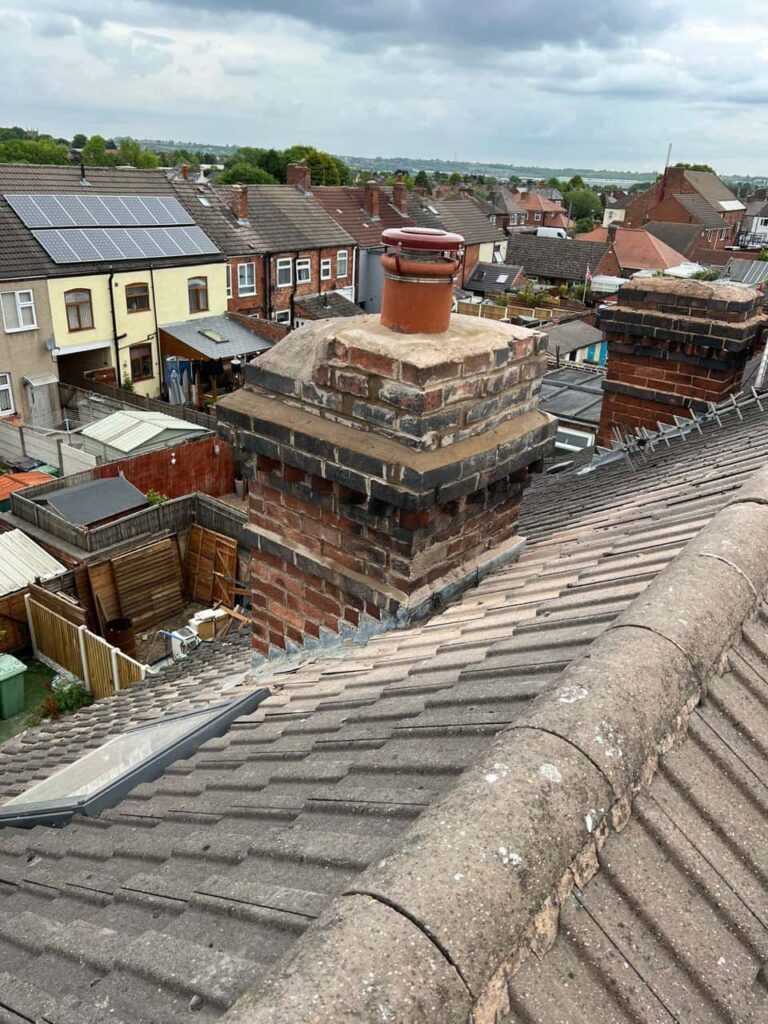
Chimneys are constantly exposed to harsh weather conditions throughout the year, making them one of the most vulnerable parts of a roofing system. While many homeowners focus on roof tiles and guttering, chimney issues are often overlooked until visible damage or leaks begin to appear. Without regular maintenance, even small chimney problems can gradually lead to larger structural concerns and water ingress.
For homeowners in Biggin Hill, South East London, understanding the most common chimney problems can help protect the roof and maintain the long-term condition of the property.
Damaged Lead Flashing
Lead flashing is installed around the base of the chimney to create a watertight seal where the chimney meets the roof.
Over time, flashing can become:
- Cracked or split
- Lifted by strong winds
- Worn due to weather exposure
- Loose because of roof movement
Damaged flashing is one of the leading causes of roof leaks around chimney areas. Even small gaps can allow water to penetrate beneath the roof covering.
Crumbling Mortar Joints
The mortar holding chimney bricks together gradually deteriorates through exposure to rain, frost and temperature changes.
Signs of mortar failure include:
- Cracks between bricks
- Loose or missing pointing
- Pieces of mortar falling away
In Biggin Hill, South East London, where chimneys experience frequent wet weather and seasonal temperature fluctuations, deteriorating mortar can weaken the structural stability of the chimney if not repaired promptly.
Chimney Leaks and Damp Problems
Chimney leaks are a common issue that may initially appear as damp patches or water stains inside the property.
Water ingress around the chimney can affect:
- Loft spaces
- Internal ceilings and walls
- Roof timbers and insulation
Leaks often develop gradually, making early detection and professional inspection particularly important.
Damaged Chimney Pots or Cowls
Chimney pots and cowls are exposed to constant wind and weather conditions.
Over time they may become:
- Cracked or unstable
- Loose during storms
- Damaged by age-related wear
Damaged chimney tops can allow moisture and debris to enter while also increasing the risk of falling masonry.
Brickwork Deterioration
Chimney brickwork naturally weathers over time due to continual exposure to the elements.
Common signs of deterioration include:
- Spalling or flaking bricks
- Surface cracking
- Loose masonry sections
If left untreated, weakened brickwork may eventually compromise the stability of the chimney structure.
Blocked Chimneys and Poor Ventilation
Unused or poorly maintained chimneys can suffer from ventilation problems and blockages.
This may lead to:
- Moisture build-up inside the chimney
- Damp smells within the property
- Debris accumulation
Proper chimney maintenance helps improve airflow and reduce moisture-related issues.
Chimney Movement and Leaning
As materials age and weather conditions affect the structure over many years, some chimneys may begin to shift or lean slightly.
Potential causes include:
- Foundation movement
- Deteriorating mortar joints
- Long-term structural weakening
Any visible movement should be assessed professionally as soon as possible to prevent further instability.
Moss and Vegetation Growth
Moss and small plants can sometimes begin growing around chimney areas where moisture is trapped.
This growth may:
- Retain excess water
- Accelerate material deterioration
- Worsen existing cracks and gaps
Routine inspections help identify these issues before significant damage develops.
Storm Damage to Chimneys
Chimneys are highly exposed during periods of severe weather.
Strong winds and heavy rain can cause:
- Loose flashing
- Dislodged chimney pots
- Cracked masonry
- Water penetration around roof junctions
After storms, professional inspections help identify hidden damage before it worsens.
Why Professional Chimney Repairs Matter
Chimney repairs require specialist knowledge and safe working methods to ensure long-term structural protection and weather resistance.
Biggin Hill Roofing Repairs provides expert chimney repair and roofing services in Biggin Hill, South East London, helping homeowners maintain safe, durable and professionally protected roofs. Every project is completed with careful attention to waterproofing, structural stability and long-term roofing performance.
Conclusion
Chimneys are exposed to constant weathering and can develop a wide range of problems over time, including damaged flashing, crumbling mortar, leaks and structural deterioration. Addressing these issues early helps prevent more extensive roofing problems and protects the long-term condition of the property.
For homeowners in Biggin Hill, South East London, regular chimney inspections and professional repairs are essential for maintaining a safe and weather-resistant roof. If your chimney is showing signs of wear, leaks or structural damage, Biggin Hill Roofing Repairs can provide expert guidance and dependable roofing solutions tailored to your property’s needs.
Call us on: 01959 582 996
Click here to find out more about Biggin Hill Roofing Repairs
Click here to complete our contact form and see how we can help with your roofing needs.